
A Glimpse into the History of Matnog
The town’s name, Matnog, is believed to have originated from the native term “Matunog”, referring to the roaring, deafening sound of sea waves crashing against the boulders along the town’s rugged coast in its early years.
Some accounts trace the name to the sound of gongs used by early tribal leaders to summon community meetings, while others associate it with the powerful tidal rip in the San Bernardino Strait, where the Pacific Ocean meets the South China Sea.
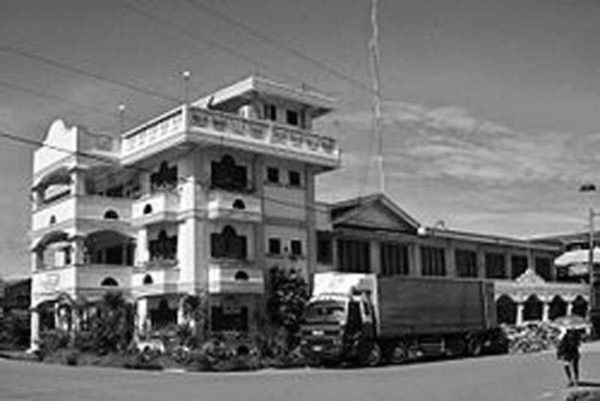
Today, Matnog’s coastline features a concrete seawall, a mile-long pier, and a beautiful Ferry Terminal building on the southern side. Soon, an Integrated Transport Terminal, Public Market, and Commercial Center will rise on the northern edge.
The first settlers of Matnog were likely part of a tribe of civilized Malays, possibly descendants of Datu Dumanaqui, led by their chief Sirangan and his wife Hara-Hara, who arrived long before 1570. The original settlement is believed to have been near the mouth of the Matnog River.
In 1637, Moro raiders attacked many coastal towns, prompting early settlers to build watchtowers at the northern edge of Matnog Bay. This strategic vantage point became known as Tanaunan—from the word meaning “to watch”—later renamed Banuang-daan. One documented attack occurred in 1754.
Place names in Matnog, particularly those of its barangays, are mostly derived from Bikol terms, indicating that the area was explored and settled even before Spanish colonization.
By 1785, Matnog became a barrio of Bulusan, with Juan Evangelista as its first cabeza. Despite multiple relocations due to Moro raids and other threats, the name Matnog persisted. In 1800, the area was formally declared a pueblo civil. It wasn’t until 1898 that the town was moved to its current location.
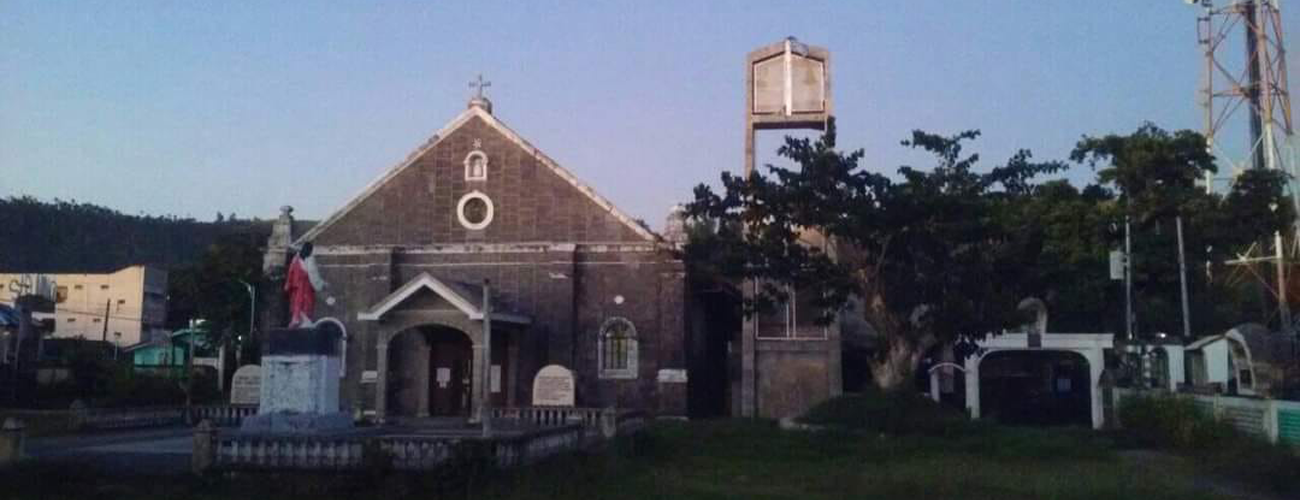
Matnog was believed to have become an independent parish on November 21, 1863. Dedicated to its patron, the Holy Infant Jesus (Sto. Niño), the parish celebrates its feast day every May 17, as designated by the local council. It also served as the mother parish of Sta. Magdalena before the latter’s independence in 1890.
Due to its strategic location, Matnog has long served as a vital link between Luzon and the southern parts of the Philippines. In earlier times, wooden boats carried passengers across the San Bernardino Strait. Today, large ferry boats serve this role, forming part of the inter-modal Pan-Philippine Highway (Daang Maharlika), with over 1.5 million passengers passing through Matnog annually.
This crucial role in transportation has earned Matnog the title: “The Gateway Town.”